Our Story


The spirit of the townhouse
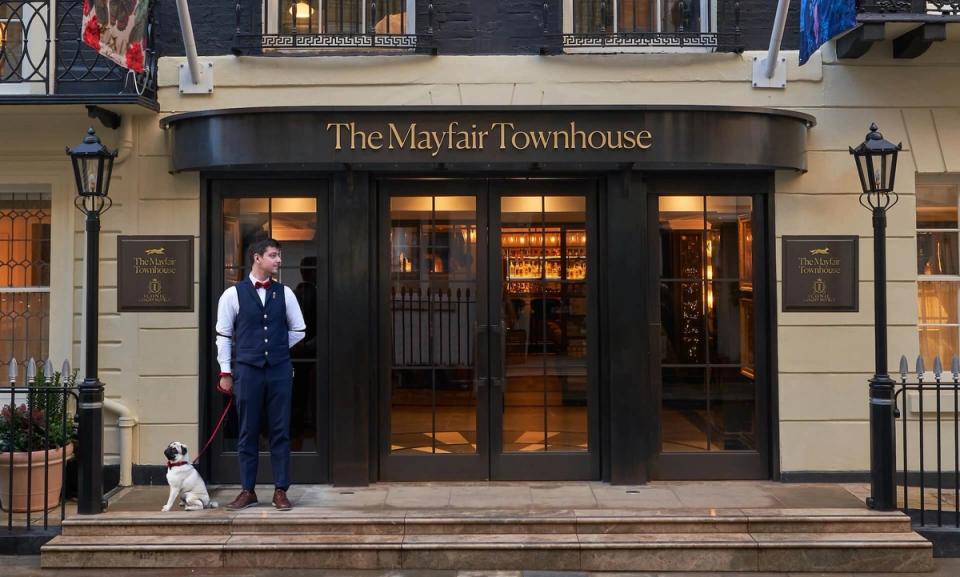
Set across 15 Georgian townhouses, The Mayfair Townhouse takes inspiration from Mayfair’s dandy era, the Renard family, the fox and a sense of playful sophistication.
The History

The History of Half Moon Street
Before the townhouses, there was the tavern. Half Moon Street takes its name from the Half Moon Tavern that once stood on the corner with Piccadilly, a rather more raucous beginning than our elegant Georgian facades might suggest.
Built from 1730 and completed by 1746, Half Moon Street quickly became a colourful haunt for bachelors, bohemians and artistic types in Victorian London. Many of the street's townhouses were divided into residential apartments, where the elite of the day could live and live rather well before marriage. Discretion, style and a good address: some things about Mayfair never change.
Oscar Wilde, Algernon Moncrieff and Our Most Famous Address
Half Moon Street is the setting for Oscar Wilde's most famous play, The Importance of Being Earnest. Its central character, the impeccably idle Algernon Moncrieff, lived albeit fictionally in the bachelor's chambers at 14 Half Moon Street.
He was in good company. The street kept its literary associations well into the 20th century, and P. G. Wodehouse's Bertie Wooster also called Half Moon Street home in his famous comedies. Two of English literature's greatest dandies, one street, and a great deal of implied misbehaviour.
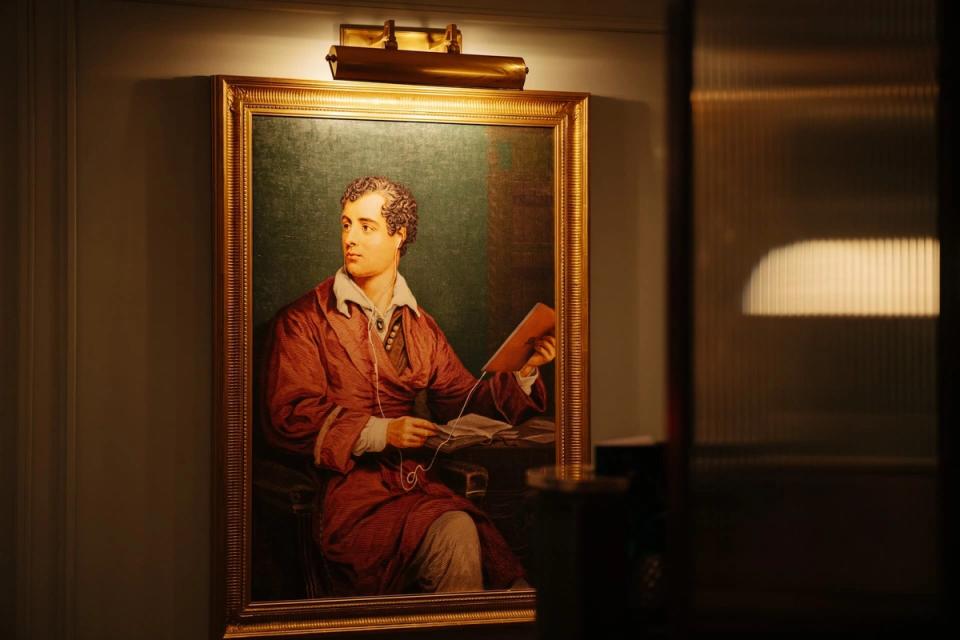
Those characters live on at The Townhouse today, through quick-witted design, a playful art collection and a hotel that takes its pleasures seriously and itself rather less so. As Oscar Wilde once famously said: "I can resist everything except temptation." We've built a hotel on that principle and named our most intimate meeting room, Oscar's Study, in his honour.
From Royal Fair to the Most Fashionable Postcode in London
Mayfair's name is a party that got out of hand. Royally appointed by King James II, the neighbourhood took its name from the annual May Fair held here between 1686 and 1764 - a fortnight of theatre, trade, revelry and general Georgian mischief. It was eventually shut down for being altogether too much fun for such a fashionable district.
The fair went; the spirit stayed. Three centuries on, Mayfair remains London's most elegant address and we like to think we're keeping the original May Fair energy alive, just with better cocktails and considerably more comfortable beds.
The Design of The Mayfair Townhouse
The transformation of 15 Georgian townhouses into one hotel was helmed by award-winning interior design firm Goddard Littlefair, who took the dandy lifestyle that once thrived on this street and translated it into something remarkably memorable.
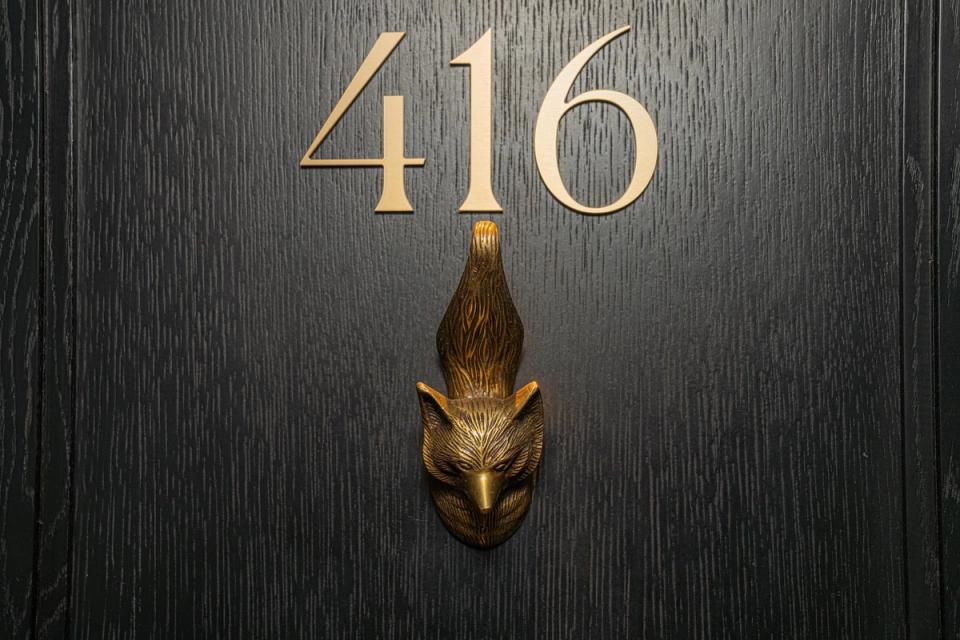
Expect twists of the unexpected, curiosities at every turn and a humorous, playful design tone throughout. There are fox motifs adorning the walls of The Den, a statement mural of Green Park in The Club Room 2, mirrors where you least expect them and a mischievous fox who has become our mascot and now leads guests on The Dandy Fox Trail around the hotel and the streets beyond.
At the heart of it all sits The Dandy Bar: bold in style yet understated in nature, the essence of a private club without the frills of a membership. Its cocktail list draws on the classic Dandy drinks once enjoyed by the hedonists of the area, reimagined for today.
We leave all the frills behind and deliver the services of a high-end hotel in a warm, convivial setting. Personalised, intuitive service when you want it. Delicious privacy when you don't.


Meet the team
The people behind The Mayfair Townhouse bring warmth, knowledge and personality to every stay.
Your questions, answered
How old is The Mayfair Townhouse building?
Half Moon Street was built from 1730 and completed by 1746. The hotel occupies 15 Georgian townhouses, seven of which are Grade II listed.
Who designed The Mayfair Townhouse?
The transformation and design of the hotel was helmed by award-winning interior design firm Goddard Littlefair. The design draws on Mayfair’s dandy spirit, local stories and the fox motif.
Why is it called Half Moon Street?
The street is named after the Half Moon Tavern that once stood on the corner with Piccadilly.
How did the Oscar Wilde influence come about?
Oscar Wilde's most famous play, The Importance of Being Earnest, was set on Half Moon Street our very own discreet address. His character Algernon Moncrieff lived, fictionally, at number 14.
Can I learn more during my stay?
Speak to the team or follow the Dandy Fox Trail for more local stories.
How did Mayfair get its name?
Royally appointed by King James II, Mayfair's namesake came about by hosting the annual May Fair between 1686 and 1764.